Why are regular oil changes so important?
Regular
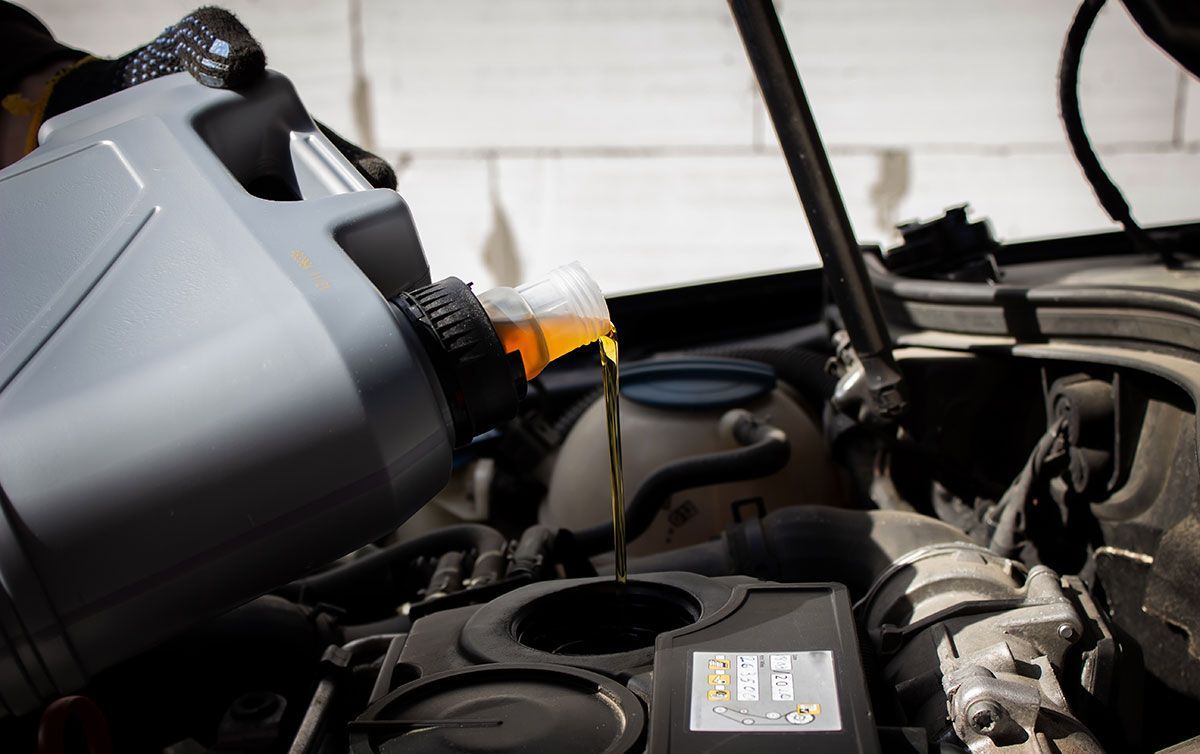
oil changes are important because engine oil does much more than lubricate metal parts. It helps carry heat away from critical components, suspends contaminants, reduces friction, and supports smoother engine operation. Over time, oil breaks down and becomes less effective, which means the engine has to work harder in a hotter, dirtier, more abrasive environment.
Inside an engine, pistons, bearings, camshafts, valves, and other parts move at high speed. Without clean oil forming a protective film between those surfaces, friction increases. That friction can lead to wear, overheating, reduced efficiency, and eventually serious internal damage. Even if your vehicle seems to run fine, old oil may already be losing the properties that help prevent long-term problems.
Fresh oil also helps control sludge. Sludge is a thick, sticky buildup that can form when oil oxidizes, collects dirt, or is left in service too long. Once sludge begins to restrict small oil passages, the engine may not receive lubrication where it needs it most. A timely car oil change service helps remove old, contaminated oil before it can create bigger issues.
What makes full synthetic oil different?
Full synthetic oil is engineered for consistent performance, especially in demanding conditions. Compared with conventional oil, it is designed to resist breakdown, flow well in cold starts, protect under high heat, and reduce deposits more effectively. For many modern vehicles, a full synthetic oil change is not just an upgrade; it may be the oil type recommended by the manufacturer.
Conventional oil is refined from crude oil and can work well in many older or less demanding engines when it matches the vehicle’s required specification. Synthetic blend oil combines conventional and synthetic base oils, offering a middle ground in protection and cost. Full synthetic oil, by contrast, is formulated to deliver stronger stability and protection across a wider range of operating conditions.
That matters because modern engines often run hotter, use tighter tolerances, and rely on advanced systems such as turbochargers, variable valve timing, and stop-start technology. These systems can place extra stress on oil. Using the right oil helps maintain proper lubrication and may also support warranty compliance when the owner’s manual specifies a particular grade or performance standard.
A synthetic oil change can be especially useful for drivers who:
- Commute in stop-and-go traffic where engines spend more time idling and heating up.
- Take frequent short trips that do not allow the engine to fully warm up.
- Drive in extreme heat, freezing temperatures, dust, or heavy rain.
- Tow trailers, carry heavy loads, or drive in hilly areas.
- Own a newer, turbocharged, high-mileage, luxury, or performance vehicle.
- Want longer-lasting protection between scheduled maintenance visits.
The best choice is not simply the most expensive bottle on the shelf. The right oil is the one that matches your vehicle’s required viscosity and specification. Your owner’s manual, oil cap, or trusted service provider can help confirm whether conventional, blend, or full synthetic oil is appropriate.
Fresh oil protects performance, efficiency, and resale value
Oil change maintenance is often discussed as a way to avoid engine failure, but the benefits show up in smaller everyday ways too. Clean oil can help the engine run more smoothly, respond more consistently, and operate with less internal resistance. When oil is old, thickened, or contaminated, the engine may feel rougher, work harder, or become less efficient.
There is also a long-term ownership benefit. A vehicle with consistent maintenance records is easier to evaluate when it is time to sell, trade, or diagnose a problem. Buyers and technicians cannot see every internal engine surface, but documented oil changes show that the vehicle has received basic care. That can support confidence in the vehicle’s condition.
Regular oil changes also help protect emissions-related components. When an engine runs with degraded oil or develops deposits, combustion quality can suffer. Over time, poor maintenance may contribute to increased emissions, reduced fuel economy, or stress on parts that are far more costly than routine service.
Think of oil changes as risk management. You are not paying only for new oil. You are helping protect the engine, preserve drivability, and catch small maintenance needs before they become inconvenient or expensive.
How often should you schedule a synthetic oil change?
Most drivers should follow the oil change interval listed in their vehicle owner’s manual, because the correct schedule depends on engine design, oil type, driving conditions, and manufacturer requirements. Under normal conditions, many full synthetic oil change intervals fall around 7,500 to 10,000 miles or about once per year, but some vehicles need service sooner. Severe driving conditions can shorten the interval even when synthetic oil is used.
Oil-life monitors can be helpful, but they should not be ignored or misunderstood. These systems often estimate oil life based on driving patterns, temperature, mileage, and engine operation rather than directly testing the oil. If your dashboard says service is due, it is wise to schedule it promptly instead of stretching the interval.
You may need oil changes more frequently if your routine includes:
- Frequent trips under a few miles, especially in cold weather.
- Heavy stop-and-go city driving.
- Towing, hauling, or using roof racks with heavy loads.
- Driving in dusty, sandy, muddy, or mountainous areas.
- Extreme heat or repeated high-speed highway driving.
- A high-mileage engine that burns or leaks oil.
For severe use, a practical interval may be closer to 5,000 to 7,500 miles, depending on the vehicle and oil specification. The key is to avoid guessing. Check the maintenance schedule for “normal” and “severe” service, then choose the category that reflects how you actually drive.
What a professional car oil change service usually includes
A good car
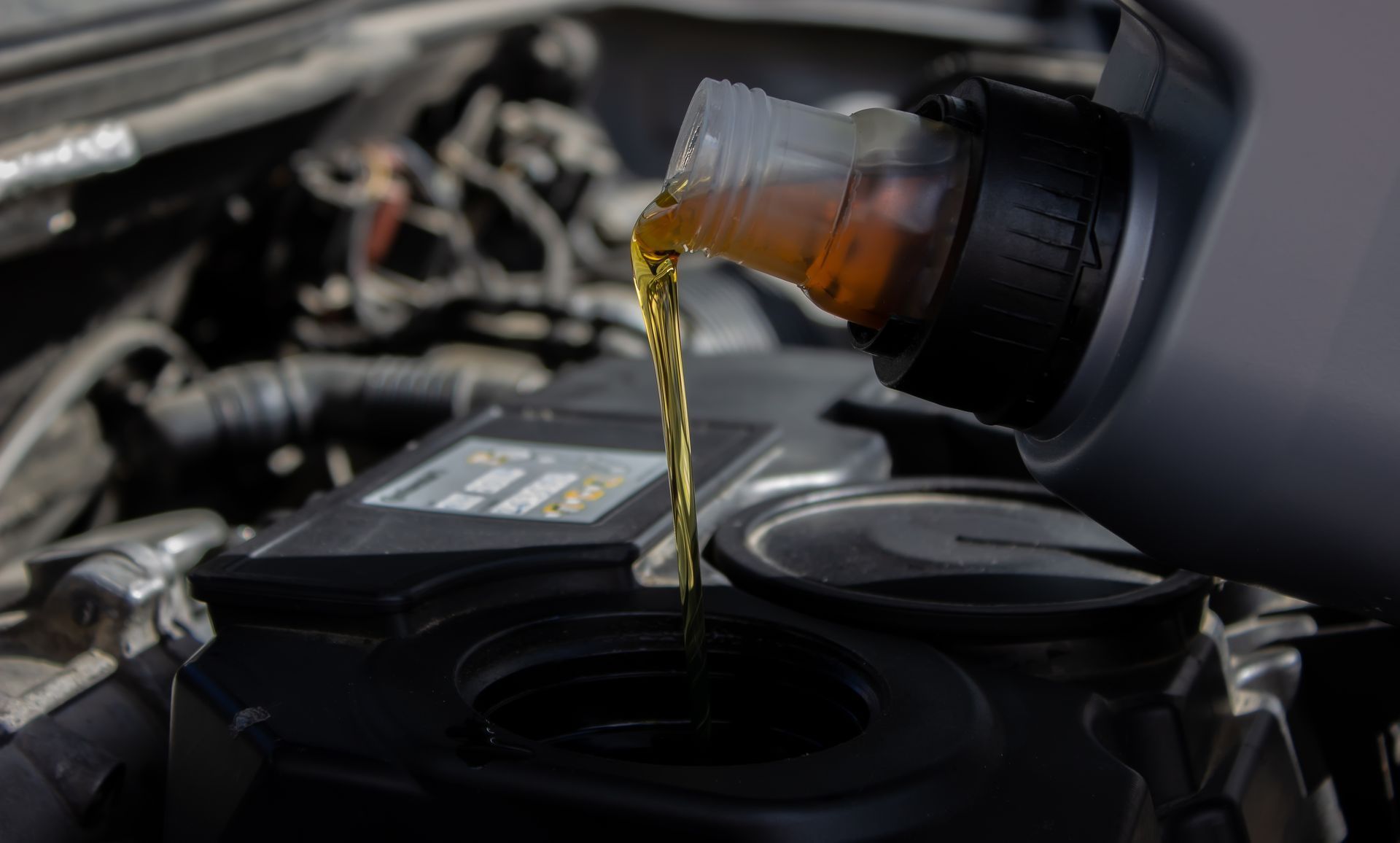
oil change service is more than draining old oil and pouring in new oil. At minimum, the service should include replacing the engine oil with the correct type and grade, installing a new oil filter, checking for obvious leaks, and confirming the oil level after the engine has run.
Many shops also perform a basic inspection to help identify developing maintenance needs.
During a typical visit, a technician may check:
- Oil type and viscosity: The service should match the manufacturer’s required oil grade and specification.
- Oil filter condition and fit: A quality filter helps remove particles and maintain proper oil flow.
- Fluid levels: Coolant, brake fluid, power steering fluid, washer fluid, and transmission fluid may be inspected or topped off when appropriate.
- Tires: Tire pressure and visible tread condition may be reviewed for safety and efficiency.
- Belts and hoses: Cracks, leaks, swelling, or wear can signal future breakdown risks.
- Air filters: Engine and cabin filters may be checked, though replacement should depend on actual condition and manufacturer guidance.
- Lights, wipers, and visible leaks: Small checks can reveal practical safety concerns.
The best experience is transparent. You should know what oil is being used, what filter is being installed, what inspections are included, and whether any recommended add-ons are urgent or optional. If a shop suggests extra services, ask why they are needed, whether they are required now, and how they relate to your vehicle’s maintenance schedule.
Choosing the right oil without overpaying
Cost is one reason some drivers hesitate to choose synthetic oil. A full synthetic oil change usually costs more upfront than a conventional oil change because the oil itself is more expensive. However, the value depends on your vehicle’s needs, your driving habits, and the interval you can safely follow.
If your vehicle requires full synthetic oil, using a cheaper alternative is not a smart place to save money. The wrong oil may affect performance, protection, warranty coverage, or long-term reliability. If your vehicle allows more than one oil type, the decision becomes a balance between budget and driving conditions.
Use these practical guidelines:
- Choose full synthetic when required. If the owner’s manual specifies it, treat that as the standard, not an optional upgrade.
- Consider synthetic for demanding driving. Heat, cold, towing, traffic, and short trips all make stronger oil performance more valuable.
- Do not stretch intervals just because the oil is synthetic. The oil may last longer, but contamination, moisture, fuel dilution, and filter capacity still matter.
- Compare total cost, not just visit price. Longer intervals may offset some of the higher upfront cost, but only if those intervals match your vehicle’s schedule.
- Use coupons carefully. Promotions can help, but confirm that the offer includes the oil type, quantity, and filter your vehicle needs.
Also remember that some engines require more oil than others. Larger engines, turbocharged engines, and certain European or performance vehicles may need specific oil approvals. A low advertised price may not include those requirements, so it is worth asking before the service begins.
Simple habits that make oil changes easier
Oil maintenance becomes less stressful when you build a routine around it. You do not need to become a mechanic; you just need a few habits that help you stay ahead of problems.
Keep a record of each oil change with the date, mileage, oil type, and service location. Many drivers rely only on a windshield sticker, but stickers fade, fall off, or get replaced. A simple note in your phone can prevent confusion later.
Check your oil level between services, especially before road trips or after long drives. Some vehicles consume oil between changes, and a low oil level can be dangerous even if the oil itself is not old. If your car has a dipstick, learn how to use it correctly on level ground. If it uses an electronic monitor, review the owner’s manual so you understand what the display means.
Watch for warning signs between scheduled visits:
- Oil pressure warning light.
- Blue smoke from the exhaust.
- Fresh oil spots under the vehicle.
- Unusual ticking, knocking, or rough running.
- Oil level dropping repeatedly between services.
If any of these appear, do not wait for the next scheduled synthetic oil change. Have the vehicle checked promptly, because low oil pressure or low oil level can damage an engine quickly.
The takeaway for long-term vehicle health
Regular
oil changes are basic maintenance, but their impact is major. Clean oil reduces friction, helps control heat, limits sludge, and protects parts that are expensive to repair or replace. A full synthetic oil change can offer excellent protection for many modern vehicles, especially when matched to the manufacturer’s specification and your real driving conditions.
The most reliable approach is simple: use the correct oil, replace the filter, follow the right interval, and choose a car oil change service that explains what your vehicle actually needs. When you make oil changes a priority, you protect more than the engine. You protect your time, your budget, and your confidence every time you turn the key or press the start button.