5 Brake Pad Warning Signs to Know


 • November 16, 2026

Brake pads are friction components that slow your vehicle when you press the brake pedal. Common warning signs include squealing, grinding, vibration, pulling, and a soft pedal. Berlin, CT drivers should schedule brake repair promptly when these symptoms appear because worn pads can damage rotors and reduce stopping safety.

What Are the Most Common Brake Pad Warning Signs?

Brake pads wear gradually, but your vehicle usually provides clues before braking performance becomes dangerous. Watch for these five signs:

  1. High-pitched squealing: A wear indicator may contact the rotor when the pad material is getting low.
  2. Grinding or scraping: This can mean the friction material is gone and the metal backing is contacting the rotor.
  3. Vibration while braking: Pulsation through the pedal or steering wheel may point to uneven rotors, worn pads, or another brake problem.
  4. Pulling to one side: Uneven pad wear, a sticking caliper, or a brake fluid issue can affect vehicle direction.
  5. A soft or low brake pedal: Extra pedal travel may indicate air, low fluid, hydraulic trouble, or worn components.

Any one of these symptoms deserves attention. Grinding, a soft pedal, or a major loss of stopping power should be treated as urgent.

Why Do Brake Pads Squeal?

Brake pads can squeal because of normal wear, vibration, dust, moisture, or glazing caused by heat. A brief noise after rain may not indicate a serious problem, but repeated squealing should be inspected.

Modern brake pads often include a small metal wear tab. As the pad becomes thin, the tab creates an audible warning. Ignoring it can allow the pad backing plate to damage the rotor, turning a relatively simple brake service into a more expensive repair.

Squealing can also come from improperly installed hardware, contaminated friction material, or a caliper that is not moving correctly. A professional inspection identifies the cause instead of masking the noise.

Is Grinding When Braking Dangerous?

Yes. Grinding usually means the brake pad has worn through its friction material. Continued driving can score or overheat the rotor and may reduce braking performance. It can also increase stopping distance and create a safety risk in traffic.

If your brakes grind, avoid unnecessary driving and arrange an inspection as soon as possible. If the vehicle pulls severely, the pedal reaches the floor, or braking feels ineffective, have it towed rather than driving it.

Brake Pad Wear and Rotor Damage

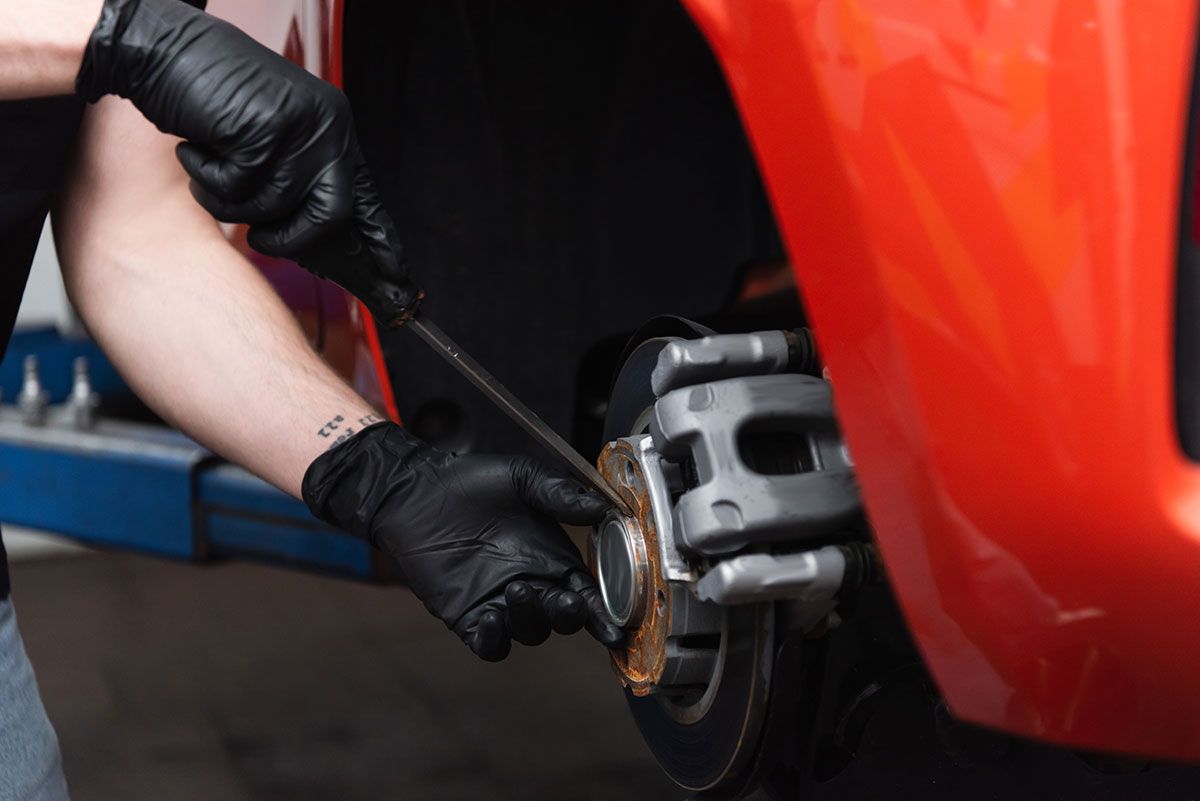
Brake pads and rotors work as a matched friction system. Pads press against the rotating rotor to convert motion into heat. Over time, both parts wear, but the replacement decision depends on thickness, surface condition, runout, heat damage, and manufacturer specifications.

A technician may recommend new rotors when they are below the minimum thickness, deeply scored, cracked, warped, or unable to provide a smooth braking surface. Replacing only the pads is not always the best long-term solution.

How Long Do Brake Pads Last?

Brake pad life varies widely. Many sets last approximately 30,000 to 70,000 miles, but mileage is only a general guide. City traffic, frequent stops, hills, vehicle weight, driving habits, pad material, and towing can shorten service life.

Berlin and New Britain drivers who make frequent local trips may use their brakes more often than drivers who spend most of their time on highways. Have the brake system checked during routine maintenance rather than waiting for a noise.

Useful factors include:

  • Driving mostly in stop-and-go traffic
  • Carrying heavy loads or towing
  • Frequent steep descents
  • Aggressive acceleration followed by hard stops
  • Previous uneven wear or caliper problems

Your technician can measure remaining pad thickness and explain how much service life is likely left.

What Does a Brake Inspection Include?

A complete brake inspection should examine more than the visible pad. A qualified technician may check:

  • Inner and outer brake pad thickness
  • Rotor thickness, scoring, heat spots, and runout
  • Caliper operation and slide pins
  • Brake hoses, lines, and fluid condition
  • Parking brake operation
  • Warning lights and electronic brake systems
  • Tire condition and wheel torque

This broader inspection helps find the reason for uneven wear or unusual braking behavior. At Connecticut Tire, brake repairs are performed by ASE-certified technicians at a TIA-certified tire dealership. Services may include brake repairs, preventive maintenance, and related steering and suspension checks.

For additional vehicle maintenance guidance, visit the Car Care Tips page or explore Auto Repair services.

Ceramic vs. Semi-Metallic Brake Pads

The right brake pad depends on your vehicle, driving conditions, manufacturer specifications, and budget. Common options include:

  • Ceramic pads: Often quiet and low-dust, with smooth everyday performance. They may cost more and are not ideal for every heavy-duty application.
  • Semi-metallic pads: Typically provide strong heat performance and durability, though they may produce more noise and dust.
  • Organic pads: Can offer quiet operation and a softer feel, but may wear faster under demanding conditions.

There is no universal best brake pad. Ask for a recommendation based on your vehicle and how you drive. Quality parts installed correctly can support dependable braking and consistent pedal feel.

When Should You Schedule Brake Repair?

Schedule an inspection when you hear recurring squealing, notice grinding, feel vibration, see a brake warning light, or observe a change in pedal feel. Do not wait for a scheduled oil change if braking performance has changed.

Connecticut weather can bring rain, road salt, temperature changes, and winter driving conditions. These factors can contribute to corrosion and component wear. Regular inspections are especially useful before winter travel, long trips, or periods of heavy commuting.

Connecticut Tire has served Berlin, New Britain, Cromwell, and nearby communities since 1967. The locally owned shop keeps more than 30,000 tires in stock and also provides related tire and vehicle services. You can learn more through About Us , read customer feedback on Reviews , or find service information through Locations .

Frequently Asked Questions About Brake Pads

Can I drive with worn brake pads?

Only if a technician confirms the vehicle remains safe to drive and the symptoms are minor. Grinding, a soft pedal, pulling, or reduced braking requires prompt attention and may make driving unsafe.

How thick should brake pads be?

Specifications vary, but many technicians recommend planning replacement when friction material is around 3 millimeters or less. A measurement alone does not tell the entire story, so the rotors, calipers, and wear pattern should also be inspected.

Do front or rear brake pads wear faster?

Front pads often wear faster because the vehicle’s weight shifts forward during braking. However, rear pad life depends on vehicle design, electronic brake systems, driving habits, and maintenance history.

Should brake pads be replaced in pairs?

Yes. Pads on the same axle should generally be replaced together so braking remains balanced. A technician should also inspect the opposite axle and related hardware.

How can I protect my brake system?

Follow the vehicle’s maintenance schedule, respond to warning noises, avoid carrying unnecessary weight, and have unusual pedal feel inspected early. Keeping tires properly inflated also supports predictable handling during braking. Review related information on Tire Care Tips and Tire Services .

Take the Next Step With Brake Repair

Brake pads are safety-critical parts, and warning signs should not be ignored. Squealing may signal wear, while grinding, vibration, pulling, or a soft pedal can indicate a more urgent brake problem. The right repair depends on an inspection of the pads, rotors, calipers, fluid, and related components. If you drive in Berlin, New Britain, Cromwell, or nearby areas, Connecticut Tire can help evaluate your vehicle and recommend practical repairs. Schedule an appointment for brake repair, or contact Connecticut Tire to discuss your symptoms before driving further.

Recent Posts

Loading posts…

Appointments

Schedule an appointment with Connecticut Tire & Auto

SHARE THIS

Latest Posts

Car batteries being tested for replacement in Berlin CT
November 16, 2026
Learn how car batteries work, spot warning signs, compare replacement options, and get dependable battery replacement in Berlin, CT from Connecticut Tire.
Car engine bay with a gray fluid container being poured into an open reservoir.
November 11, 2026
Learn how regular oil changes protect your engine, reduce wear, and help keep your car running smoothly mile after mile.
October 26, 2026
Learn causes of car overheating while idling & get expert solutions. Contact us for reliable auto repair services today!
October 26, 2026
Proper tire & wheel alignment boosts safety & performance. Schedule your alignment service at Connecticut Tire & Auto today!
Engine oil pouring from a bottle into a car engine
April 21, 2026
Looking for a Toyota Camry oil change in Berlin CT? Learn service intervals, warning signs, and expert oil change services at Connecticut Tire.

Blue Honda sedan parked outside a modern building on a sunny day
March 14, 2026
Need Honda Accord brake repair in Berlin, CT? Connecticut Tire provides brake inspections, pad replacements, and complete brake service to keep your vehicle stopping safely.

Blue Honda SUV on display at an auto show under bright lights
February 10, 2026
Learn why timely Honda Pilot timing belt replacement is critical, why the water pump is replaced at the same time, and how Connecticut Tire in Berlin, CT can help protect your engine.

White sedan parked on a street with trees and buildings in the background.
January 18, 2026
Having trouble starting your Chevy Cruze? Learn the common battery and starter problems, warning signs, and when to schedule service at CT Tire & Auto.
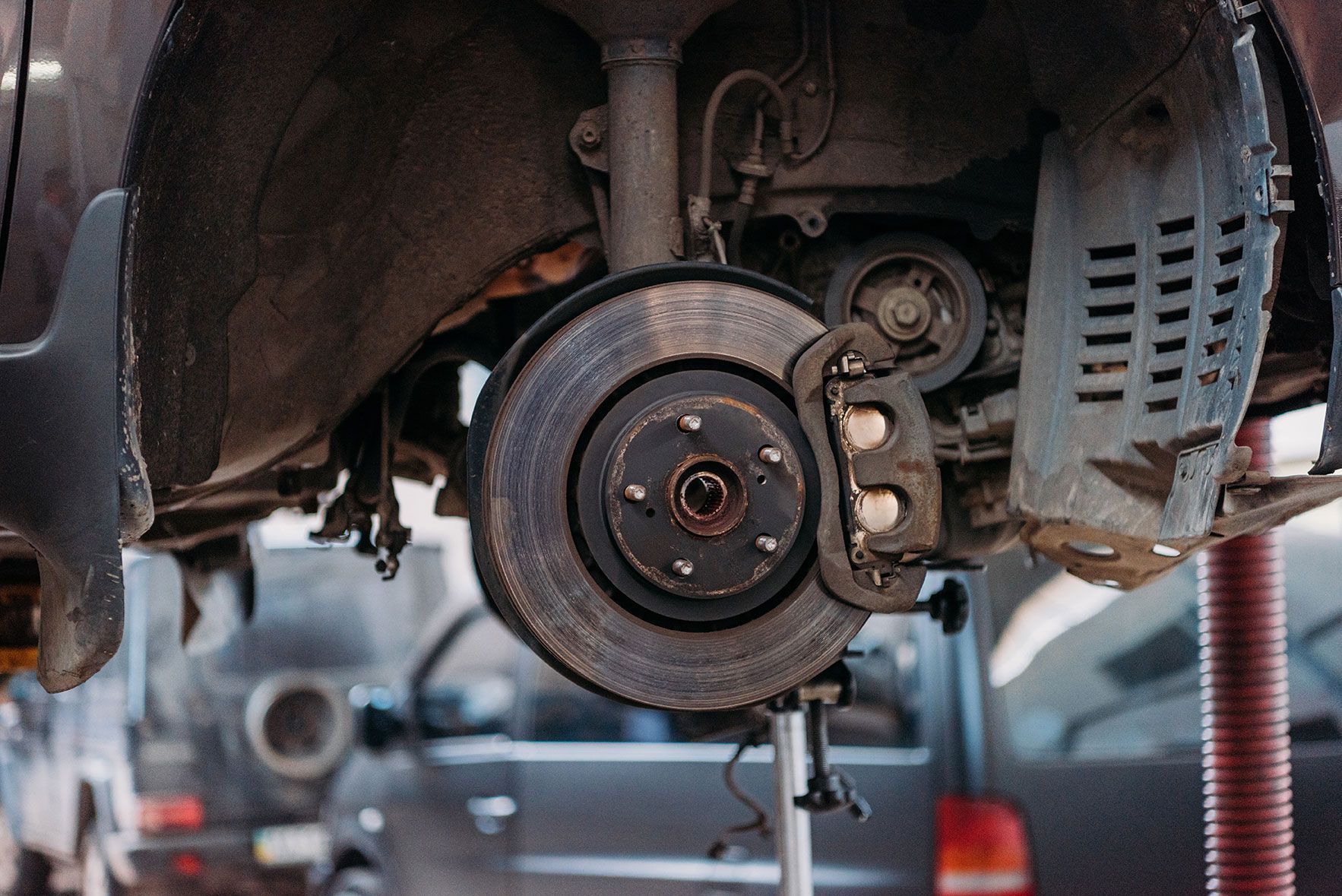
Close-up of a car wheel hub and brake assembly during repair, with the tire removed in a garage
December 16, 2025
Learn the most common Ford Explorer brake problems, warning signs, and repair options. Trusted brake service available at CT Tire & Auto.
Worker in blue coveralls using a tool on a metal part in a workshop
December 1, 2025
Learn when Ford F-150 tires need replacing, signs of alignment problems, and why Berlin, CT truck owners trust CT Tire for expert service.

Show More