What causes a car to run hot when it is idling?
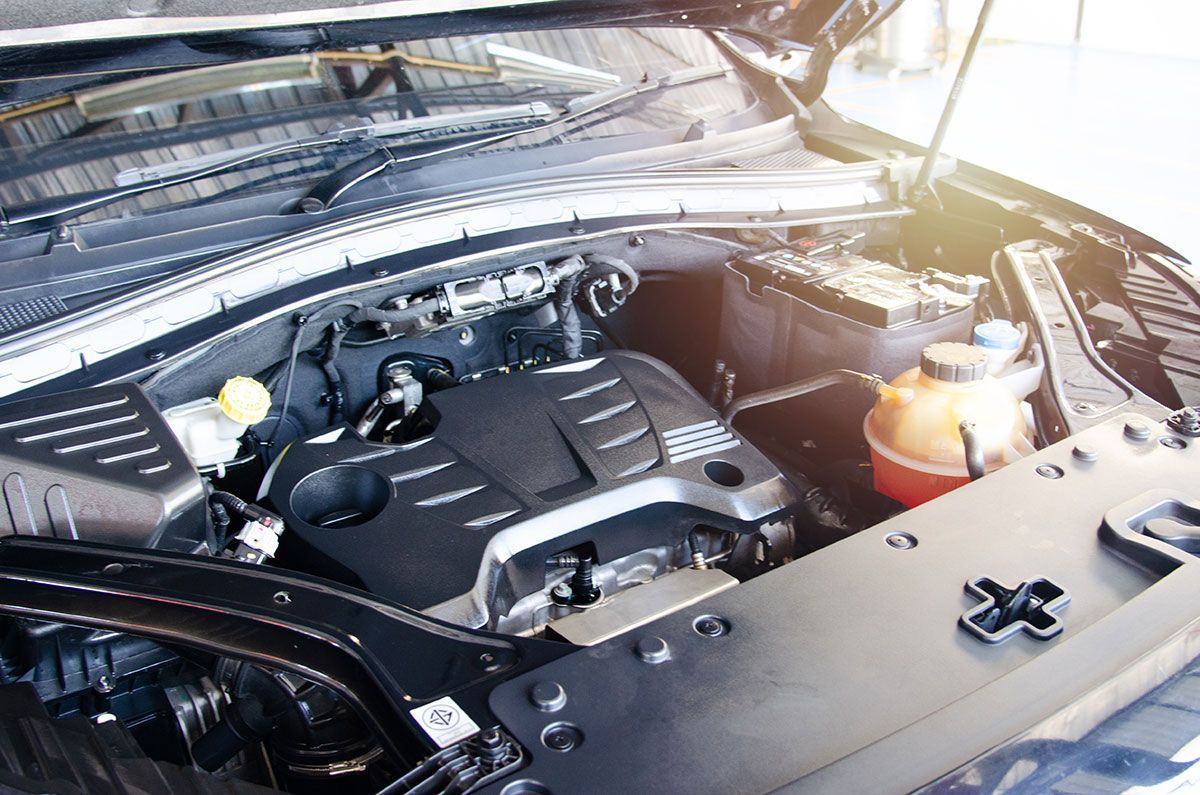
What causes a car to run hot at idle is often the loss of cooling help that normally comes from road speed. When you drive, air naturally moves through the radiator; when you sit in traffic, the cooling fans, coolant, thermostat, radiator, and water pump have to do more of the work. If one part is weak, blocked, leaking, or not switching on at the right time, you may see the temperature gauge climb while parked, waiting at a drive-through, or crawling through congestion.
That pattern gives you an important clue. If the vehicle cools back down once you start moving, the issue may be airflow-related, such as a faulty radiator fan or debris blocking the radiator. If the temperature keeps rising no matter how fast you drive, coolant flow, low coolant level, thermostat function, or a more serious engine issue may be involved.
Cooling fans are the first place to look
At idle, the radiator fan is one of the most important parts of the
cooling system. Its job is to pull air through the radiator when the vehicle is not moving fast enough for natural airflow to do the job. If the fan does not turn on, turns too slowly, or cycles at the wrong time, the car engine heating up at idle can happen quickly.
Many vehicles use electric cooling fans controlled by sensors, relays, fuses, wiring, or the engine computer. Others may use a mechanical fan clutch. A worn fan clutch can slip when it should be pulling air, while an electric fan problem may be caused by a failed motor, blown fuse, bad relay, damaged connector, or faulty temperature sensor.
Common fan-related warning signs include:
- The temperature rises mostly in traffic, at stoplights, or while parked.
- The air conditioning gets warmer when the vehicle is not moving.
- You do not hear the cooling fan come on after the engine gets hot.
- The temperature drops once the car reaches steady road speed.
- The fan runs constantly, which can point to a control or sensor issue.
Do not put your hands near the fan while checking under the hood. Electric fans can start unexpectedly, even after the engine has been shut off. A visual inspection is useful, but electrical diagnosis is often best left to a qualified technician.
Low coolant reduces the system’s ability to carry heat
Coolant absorbs engine heat and carries it to the radiator, where that heat is released. If the coolant level is low, the system cannot transfer heat efficiently, and hot spots can form inside the engine. Low coolant is one of the simplest car running hot causes, but the reason behind the low level still matters.
Coolant can drop because of an external leak, a loose cap, a cracked hose, a failing radiator, a leaking water pump, or a damaged reservoir. In more serious cases, coolant can be entering the combustion chamber or mixing with oil because of an internal engine problem. Topping off the coolant may temporarily lower the temperature, but it does not fix the leak or failure that caused the level to drop.
If you see puddles under the car, smell a sweet odor, notice steam, or have to keep adding coolant, treat the problem as active. A cooling system is designed to be sealed. Repeated coolant loss means something needs attention.
A stuck thermostat can trap heat in the engine
The thermostat controls when coolant flows between the engine and radiator. When the engine is cold, it stays closed so the engine can warm up efficiently. Once operating temperature is reached, it opens to let coolant circulate through the radiator.
If the thermostat sticks closed or only opens partially, coolant cannot move properly, and the engine temperature may rise fast. This can happen while idling, driving, or both. A thermostat that opens too late may cause temperature swings, while one stuck open can keep the engine running too cool, which is a different problem.
Because thermostat symptoms can overlap with low coolant, fan failure, and water pump trouble, it is usually diagnosed as part of the whole cooling system rather than guessed at in isolation. Replacing parts at random can waste money and delay the real repair.
Poor radiator airflow makes idling heat worse
The radiator releases heat through thin fins that need steady airflow. At idle, airflow is already limited, so any restriction makes the problem worse. Leaves, dirt, plastic bags, bent fins, bugs, or aftermarket accessories placed in front of the grille can reduce the radiator’s ability to shed heat.
Internal radiator problems can also contribute. Over time, corrosion, scale, or contaminated coolant may narrow passages inside the radiator. When that happens, coolant may not spread evenly through the core, and the system loses cooling capacity. The vehicle may seem fine in mild weather but run hot during summer traffic, towing, long drive-through waits, or stop-and-go driving.
A simple visual check can reveal obvious blockage at the grille or radiator face. However, internal restrictions are harder to confirm without testing. If the outside looks clean but overheating continues, a shop may need to check temperature differences across the radiator and inspect coolant condition.
What should you do when your vehicle overheats?
What to do when vehicle overheats starts with reducing heat and protecting yourself. Turn off the air conditioning, turn on the heater if it is safe and tolerable, pull over as soon as you can, and shut the engine off if the temperature keeps climbing. Do not open the radiator cap or coolant reservoir cap while the system is hot, because pressurized coolant can cause severe burns.
Use this quick safety checklist:
- Watch the gauge and warning lights. If the temperature enters the danger zone, do not keep driving to “see if it improves.”
- Reduce engine load. Turn off the A/C and avoid hard acceleration.
- Find a safe place to stop. Pull over away from traffic and put on hazard lights.
- Let the engine cool. Give it time before opening the hood fully or touching anything near the cooling system.
- Look, but do not force repairs roadside. Check for visible steam, leaks, broken belts, or obvious damage from a safe distance.
- Call for help if needed. If the vehicle overheats again after cooling down, towing is usually safer than continuing to drive.
Driving an overheating vehicle can damage gaskets, cylinder heads, pistons, and other expensive components. Even a short distance can be risky if the temperature is very high or coolant is leaking heavily.
Water pump problems limit coolant circulation
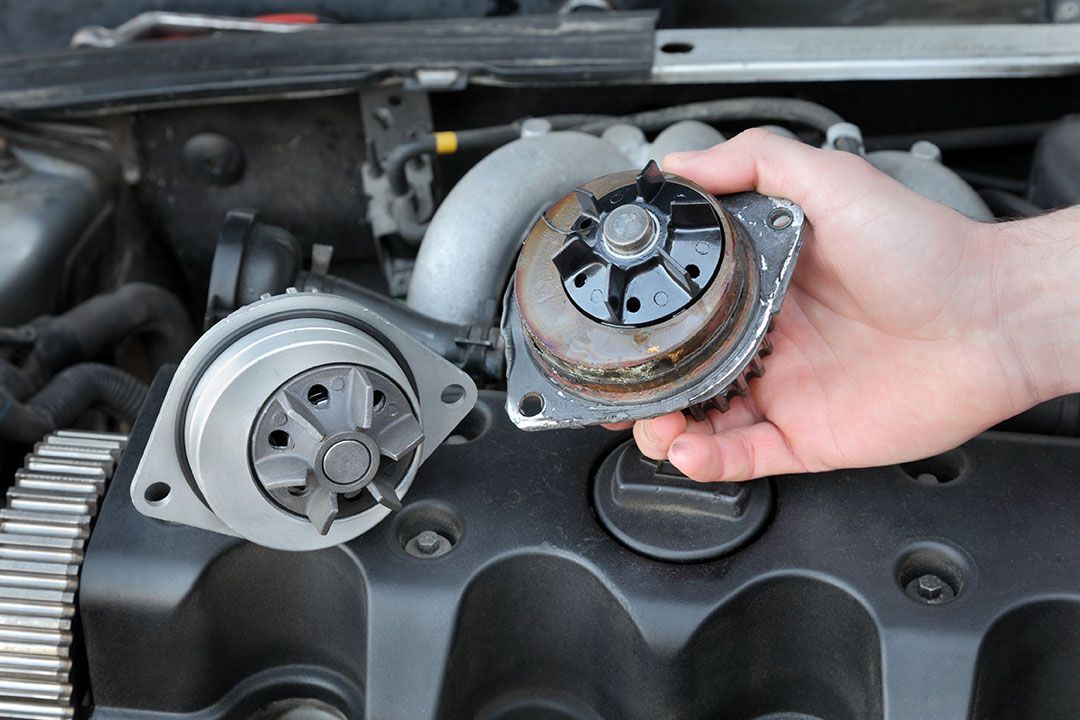
The water pump keeps coolant moving through the engine, radiator, and heater core. If the pump is weak, leaking, or damaged internally, coolant circulation may slow down enough for the engine to overheat. This can show up at idle because engine speed and airflow are lower, but a bad pump can also cause overheating during normal driving.
Some water pumps fail externally with visible coolant leaking from the pump area. Others fail internally when the impeller wears, breaks, or slips. You may notice whining noises, coolant residue, repeated coolant loss, or poor heater performance, but not every pump problem announces itself clearly.
A belt-driven water pump also depends on the belt system. If a serpentine belt is loose, glazed, damaged, or missing, the water pump may not spin correctly. That can affect cooling along with other systems, depending on the vehicle design.
Air pockets can interrupt coolant flow
Air trapped in the cooling system can prevent coolant from circulating properly. This may happen after a coolant service, hose replacement, radiator repair, or any repair where the system was opened. Some engines are especially sensitive to bleeding procedures, and trapped air can cause erratic temperature readings, heater problems, or overheating at idle.
Air pockets are frustrating because the coolant reservoir may appear to have fluid while parts of the engine are not being cooled properly. The fix may require a specific bleeding process, vacuum filling, or running the engine with certain valves open, depending on the vehicle. If overheating began right after cooling system work, trapped air should be high on the list.
The radiator cap and pressure system matter more than many drivers realize
The
cooling system is pressurized to raise the boiling point of the coolant mixture. The radiator cap or reservoir cap helps maintain that pressure. If the cap cannot hold pressure, coolant can boil sooner, overflow, or escape into the reservoir incorrectly.
A weak cap is inexpensive compared with many cooling repairs, but it should still be tested or replaced with the correct specification. The wrong cap can create new problems, especially on vehicles that use pressurized expansion tanks. If you see coolant pushed out, bubbling in the reservoir, or repeated overflow after the engine heats up, pressure control should be checked.
Heat from the A/C and heavy electrical load can reveal weak spots
Running the
air conditioner adds heat in front of the radiator because the condenser releases heat from the A/C system. In a healthy vehicle, the cooling fans compensate for that added load. In a vehicle with weak fans, low coolant, restricted airflow, or a marginal radiator, the A/C may be the thing that pushes the temperature gauge upward at idle.
This does not mean the A/C is always the root cause. It often means the cooling system was already close to its limit. If the car only overheats with the A/C on while sitting still, the fan operation and condenser-radiator airflow path deserve careful attention.
A practical way to describe the symptom
When you talk to a technician, clear details can shorten diagnosis time. Instead of simply saying “it overheats,” explain exactly when the problem happens and what changes it.
Helpful details to note include:
- Whether the overheating happens only while idling or also while driving.
- How long the engine runs before the temperature rises.
- Whether the A/C is on when it happens.
- Whether the heater blows hot, cold, or changes temperature.
- Whether coolant has been added recently.
- Whether there are puddles, steam, smells, or warning lights.
- Whether the fan can be heard running when the temperature climbs.
- Whether recent repairs involved the radiator, hoses, thermostat, or coolant.
For a personal checklist, you might label these notes “CTT” for cooling, temperature, and timing. Cooling covers coolant level and leaks, temperature covers how high and how fast the gauge climbs, and timing covers whether it happens at idle, in traffic, with A/C, or after repairs.
Prevention starts with small checks
You cannot prevent every cooling system failure, but routine attention makes overheating less likely and easier to catch early. Check coolant level when the engine is cold, keep the grille area clear, pay attention to the temperature gauge, and do not ignore small leaks. If the heater stops working normally or the A/C affects engine temperature at idle, investigate before the next long drive.
It also helps to use the correct coolant type and mixture for the vehicle. Mixing incompatible coolants or using plain water long term can contribute to corrosion, deposits, or poor freeze and boil protection. Follow the vehicle manufacturer’s guidance or ask a trusted shop if you are unsure what belongs in the system.
Car overheating while idling usually points to a cooling system that cannot remove heat when airflow is low. The cause may be as simple as low coolant or as involved as a fan control, radiator, thermostat, water pump, pressure, or internal engine issue. The safest approach is to stop driving when the temperature climbs, let the engine cool, and have the system diagnosed before overheating becomes engine damage.