
5 Car Battery Tips for Drivers in Berlin, CT
• November 16, 2026

Car batteries provide the electrical power needed to start your vehicle and support systems such as lights, electronics, and ignition. Most last three to five years, but weather, driving habits, corrosion, and charging problems can shorten their life. Regular testing helps Berlin, CT drivers avoid unexpected breakdowns.
What Does a Car Battery Do?
A car battery stores electrical energy and delivers a strong burst of power when you turn the key or press the start button. It also helps operate electrical accessories when the engine is off and stabilizes voltage while the alternator charges the vehicle.
A healthy battery supports:
- Engine starting
- Headlights and interior lights
- Dashboard electronics
- Safety and driver-assistance systems
- Audio, climate, and charging equipment
A battery problem can sometimes be confused with an alternator or starter problem. Professional testing identifies whether the battery needs replacement or another part requires attention.
How Long Do Car Batteries Last?
Most car batteries last about three to five years. Some fail sooner because of extreme temperatures, frequent short trips, long periods of inactivity, vibration, or an electrical drain.
Connecticut weather can be especially demanding. Cold temperatures reduce a battery’s available starting power, while summer heat can accelerate internal wear and fluid evaporation. If your battery is approaching the three-year mark, testing it before winter is a practical preventive step.
What Are the Signs of a Weak Car Battery?
Common warning signs include:
- The engine cranks slowly or takes longer to start.
- You hear a clicking sound when starting the vehicle.
- Headlights appear dim, especially at idle.
- The battery warning light comes on.
- The battery case is swollen, cracked, or leaking.
- Electrical accessories behave inconsistently.
- You need frequent jump-starts.
A jump-start may get you moving, but it does not repair a failing battery. If the vehicle starts again and then struggles later, schedule a battery test rather than waiting for a complete failure.
Can a Car Battery Be Recharged or Does It Need Replacement?
A discharged battery may be rechargeable if it is otherwise healthy. For example, leaving the lights on can drain a good battery. However, charging will not restore a battery with damaged cells, severe corrosion, physical swelling, or advanced age.
A technician can check:
- Voltage
- Cold-cranking ability
- Reserve capacity
- Charging-system performance
- Terminal and cable condition
If the battery repeatedly loses charge, the vehicle may have an alternator issue or parasitic electrical drain. Replacing the battery without diagnosing the cause may not solve the problem.
Choosing the Right Car Battery
The correct replacement depends on more than physical size. Your vehicle requires a specific battery group size, terminal arrangement, minimum cold-cranking amps, and reserve capacity. Some newer vehicles also require battery registration or computer-system updates after installation.
When comparing car batteries, consider:
- Manufacturer specifications
- Cold-cranking amps for reliable starting
- Reserve capacity for electrical demands
- Warranty coverage
- Driving conditions and climate
- Vehicle technology, including start-stop systems
Avoid choosing a battery based only on the lowest price. The right battery should fit securely and meet the vehicle manufacturer’s requirements.
Why Is Professional Battery Installation Important?
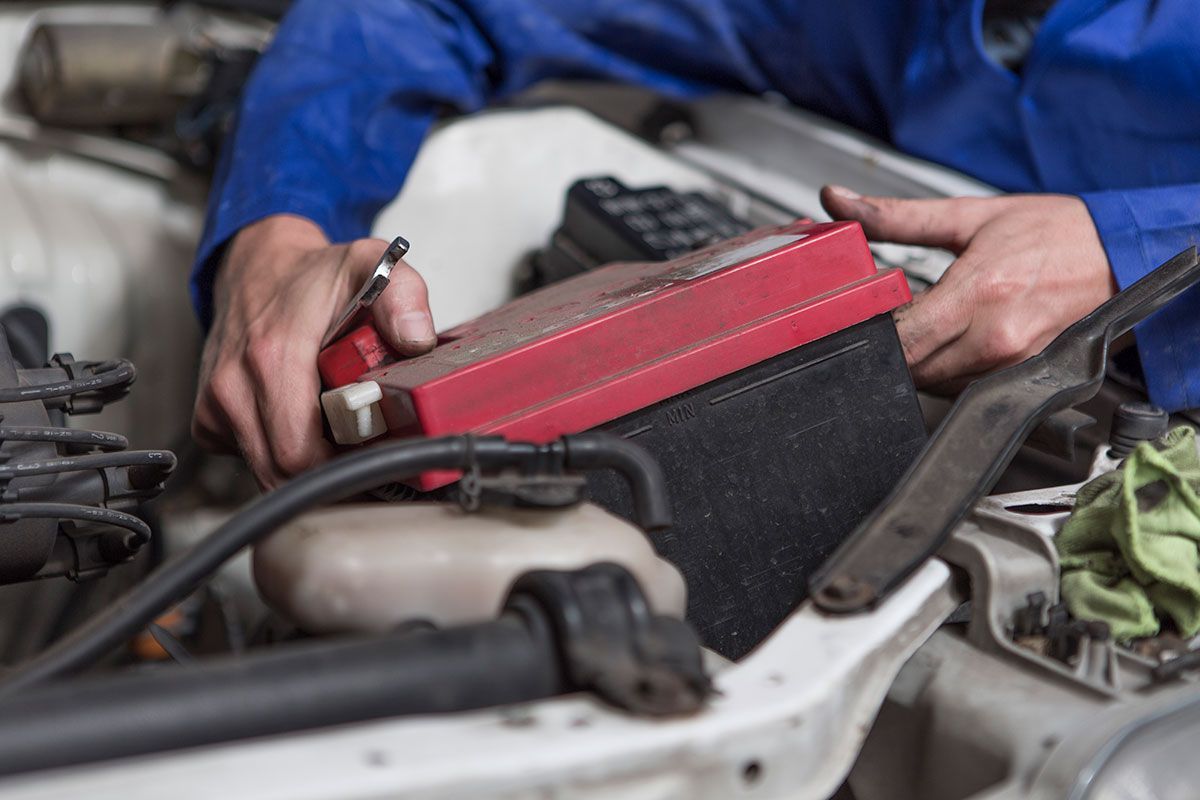
Battery replacement may look simple, but proper installation protects the vehicle and the technician. The old battery must be disconnected in the correct order, secured properly, and recycled responsibly. Corroded terminals may need cleaning, and some vehicles require electronic resets after installation.
Incorrect installation can cause loose connections, warning lights, electrical faults, or damage to sensitive components. A professional inspection also provides an opportunity to check the alternator, starter, belts, and battery cables.
For related maintenance guidance, explore Connecticut Tire’s Car Care Tips and Auto Repair services.
Car Battery Maintenance Checklist
Simple maintenance can extend battery life and reduce starting problems:
- Keep terminals clean and free of heavy corrosion.
- Make sure the battery is firmly secured.
- Turn off lights and accessories before leaving the vehicle.
- Drive long enough for the charging system to replenish power.
- Test the battery before extreme winter or summer conditions.
Do not handle a swollen or leaking battery. Avoid sparks and have it inspected by a qualified professional.
When Should You Replace a Car Battery?
Consider replacement when the battery is more than three years old and testing shows reduced performance, or when it has repeatedly required a jump-start. Immediate service is appropriate if the case is swollen, cracked, leaking, or producing a strong sulfur-like odor.
Replacing a weak battery before it fails can be more convenient than arranging roadside assistance. It is especially worthwhile before a road trip, during winter, or when your vehicle is essential for work and family transportation.
Car Battery Service in Berlin, Connecticut
Connecticut Tire has served Berlin, New Britain, Cromwell, and surrounding communities since 1967. Our locally owned automotive service center provides quality products and repair services with competitive pricing and experienced technicians.
When you visit for battery service, our team can help determine whether you need a charge, battery replacement, terminal service, or additional electrical diagnosis. We can also identify related concerns before they leave you stranded.
You can learn more about our business on the About Us page, read customer feedback in Reviews , or schedule an appointment .
Frequently Asked Questions About Car Batteries
How much does a car battery cost?
The cost depends on the vehicle, battery type, power rating, warranty, and installation requirements. A professional quote confirms the correct option for your specific car.
Can cold weather kill a car battery?
Cold weather can expose a weak battery by reducing its available starting power. The cold itself may not be the original cause, but it can make an aging battery fail when more starting energy is required.
How do I know if it is the battery or alternator?
A battery test and charging-system test can distinguish the problem. A weak battery may struggle to start the vehicle, while a failing alternator may cause the battery to discharge while driving or trigger a warning light.
Should I replace both batteries in a hybrid or electric vehicle?
Hybrid and electric vehicles use specialized high-voltage systems along with a lower-voltage accessory battery. Service requirements vary, so consult a qualified technician familiar with the vehicle’s system. Connecticut Tire also provides information through its EV FAQ .
Can I install a car battery myself?
Some vehicles allow straightforward replacement, but modern cars may require battery registration, memory protection, or electronic resets. Professional installation helps ensure the battery is safe, secure, and compatible.
Your Next Step for Battery Replacement
Car batteries typically last three to five years, but heat, cold, short trips, and electrical problems can shorten that timeline. Watch for slow cranking, clicking, dim lights, corrosion, or repeated jump-starts. If you notice these signs, have the battery and charging system tested before the vehicle fails. Connecticut Tire serves Berlin and nearby communities with dependable battery replacement and auto repair support. Book your appointment or contact the team through Contact Us to choose the right battery for your vehicle.
Recent Posts
Appointments
Schedule an appointment with Connecticut Tire & Auto
SHARE THIS